2026 Utah Mule Deer Application Guide
Utah Mule Deer Applications 2026: Is It Worth Getting In?
Utah doesn't come up as often as Montana, Wyoming, and Colorado when most Midwest hunters are building their application strategy — but it should.
The deer herd is strong, the unit variety is real, and nonresidents have more opportunity here than in most states. The 2026 application deadline is April 23rd at 11 p.m. Mountain Time. Here's what you need to know before you apply.
What Does It Cost?
Every nonresident needs a Utah hunting license to apply for anything in the state — tags or points. That 365-day license runs $144.
From there, a general season deer tag is $599 and a limited entry tag is $1,070. That general tag range is pretty average for mule deer across the West. Limited entry is expensive, but the quality justifies it if you're in a position to draw.
The 365-day license window is worth taking advantage of. If you apply late one year and early the next, you can get two application cycles out of one license. That cuts your overhead in half.
After the license, preference points in Utah are only $21 per species. If you're already buying the license, you might as well be building points for elk, antelope, and deer all at once. Once you're doing that, Utah becomes one of the cheapest states in the West to build points in. I currently have four points in Utah for all species. If you want a broader look at how to build a point strategy across multiple states, [this is a good place to start].
How the Draw Works
Utah uses two separate systems — bonus points for limited entry mule deer and preference points for general season.
For limited entry, half of all permits go to the highest bonus point holders and the other half are randomly allocated. That means you always have a chance, even at zero points.
The limited entry category covers premium limited entry, standard limited entry, management buck, cactus buck, and HAMS (handgun, archery, muzzleloader, shotgun) hunts. You can only choose one when you apply.
Premium limited entry units are managed for 40–45 bucks per 100 does. That's where you find 190–200 inch potential. Standard limited entry units are managed for 25–30 bucks per 100 does — still excellent quality, just a step below the premium tier.
Management and cactus buck tags work differently. If you draw one, you keep all of your accumulated bonus points. Draw a premium or standard limited entry tag, and those points are gone. That's a meaningful distinction if you're playing the long game.
General season deer uses true preference points — whoever has the most points draws first. There are no over-the-counter options for residents or nonresidents. You can list up to five hunt choices, but no matter which one you draw, all your points are gone. There's no protected second choice like some other states offer.
One more thing worth knowing: residents can only apply for one limited entry species per year. As a nonresident, you can apply for all three — elk, antelope, and deer. Be grateful for it - residents of Utah are rightfully upset about this.
Units Worth Knowing
Limited Entry
The Paunsaugunt is the unit most people think of first. It has 190-inch-plus potential with 100% success on multi-season hunts, 84% rifle, 78% muzzleloader, and 56% archery. The catch is that nonresidents are looking at 25–30 points to draw depending on weapon.
Henry Mountains is in the same tier — 100% success for archery and muzzleloader, 96% for rifle. It's essentially a random draw situation at this point for most nonresidents.
Fillmore Creek and San Juan also have 190-inch potential and sit in the same 25-plus points or random-only category for nonresidents.
These are once-in-a-lifetime caliber hunts. If Utah is already part of your recurring rotation, stacking bonus points on the side while you general hunt is how it eventually makes sense.
Alternative Weapons
If 25–30 points sounds like forever, alternative weapons can get you into very good deer a lot faster.
The Wasatch Mountains late muzzleloader hunt is a strong example — 170-inch potential, 45% success rates, and drawable as a nonresident with about six points. Utah doesn't allow magnified scopes on muzzleloaders, but modern muzzleloaders are still effective out to 100–200 yards. That's a reasonable tradeoff for hunting that caliber of deer on a much shorter timeline.
General Season
Some of Utah's general units barely feel like general hunts when you look at the actual numbers.
Pine Valley has 180-inch trophy potential with standard rifle success rates approaching 47%, and a nonresident can draw it in four to eight points. Zion is similar — 180-inch potential, 35–55% success depending on weapon, and drawable with one to six points. Zion alone has about 1,100 square miles of public land with elevations running from 5,000 to 10,000 feet.
Starting from zero points, North Slope draws at 100% odds across all seasons. It has 89% public land, 160-inch trophy potential, and rifle success rates up to 35%. Chalk Creek is another zero-point option with Boone and Crockett potential and double-digit rifle success rates.
There aren't many states where you can draw a quality rifle mule deer tag with no points at that level of trophy potential. Utah is one of them.
At six points, units like Bonanza open up for rifle with around 75% success. Monroe and La Sal are both in the 60–62% success range with 160–170 inch potential. As your points climb, you're mostly gaining access to better seasons and weapon options rather than jumping into an entirely different class of unit.
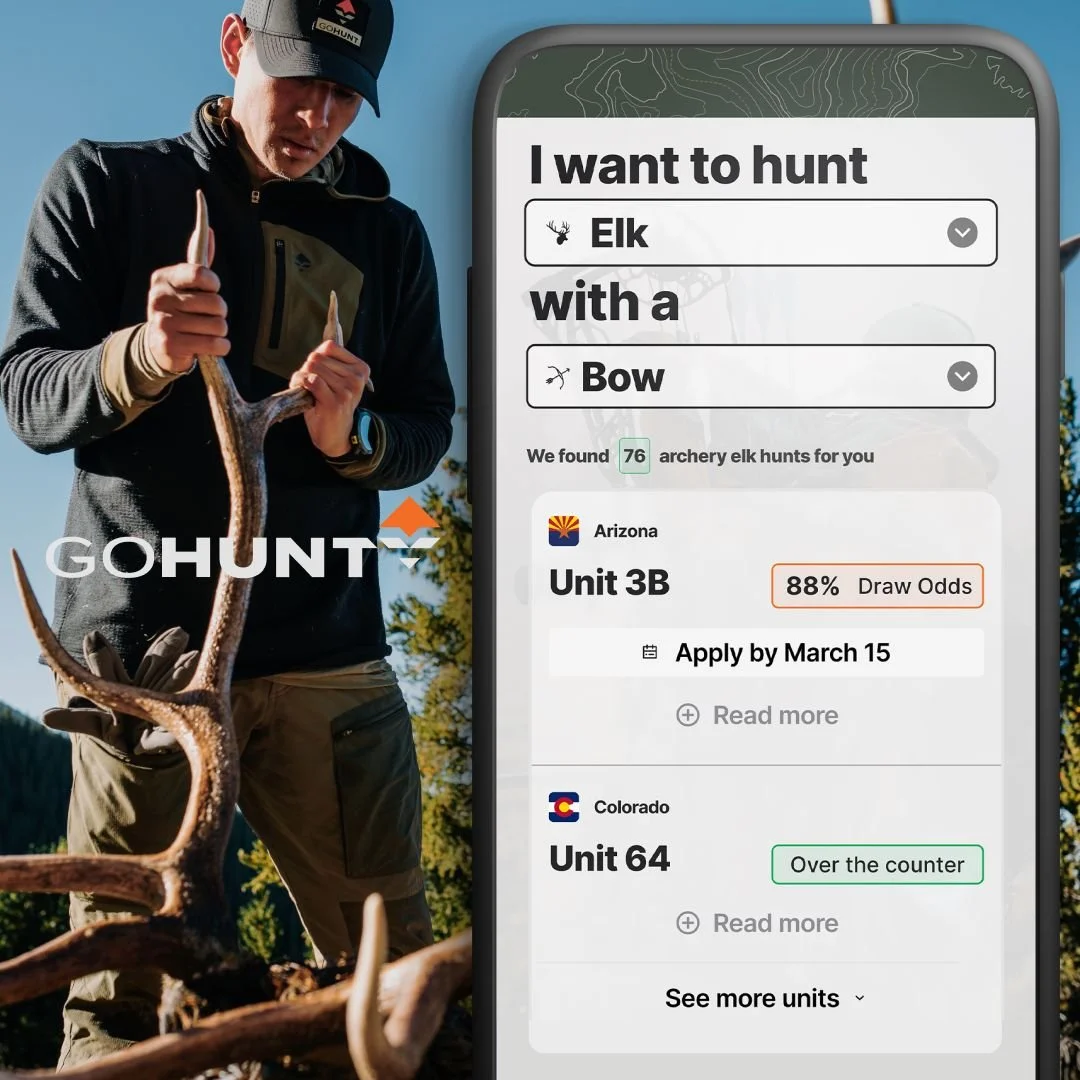
Looking for the perfect Unit?
GOHUNT’s Filtering 2.0 gives you all the data you need for EVERY UNIT across the west. Use it on both mobile and desktop to find your next hunt!
Use the code DRAWNWEST to get $50 of gear shop credit when you sign up for INSIDER to get all GOHUNT’s tools - Including Filtering 2.0
Should You Apply?
If Utah is going to be any part of your hunting rotation — even a general deer hunt every other year — the $144 license and $21 per-species preference points are a smart long-term investment.
The best move right now is pulling up GoHunt Filtering 2.0, filtering for Utah mule deer as a nonresident, and looking at what's available at your point level. Trophy potential, public land, success rates, and draw odds tell the story fast.
We're releasing the full Utah bonus series — elk, antelope, and once-in-a-lifetime species are all coming. By the time you've worked through all four episodes, you'll have everything you need to decide if Utah belongs in your long-range strategy.
Until then — stay drawn.
Never Miss a Deadline
Sign up for the Drawn West newsletter and get every state guide and bonus series episode sent straight to your inbox.

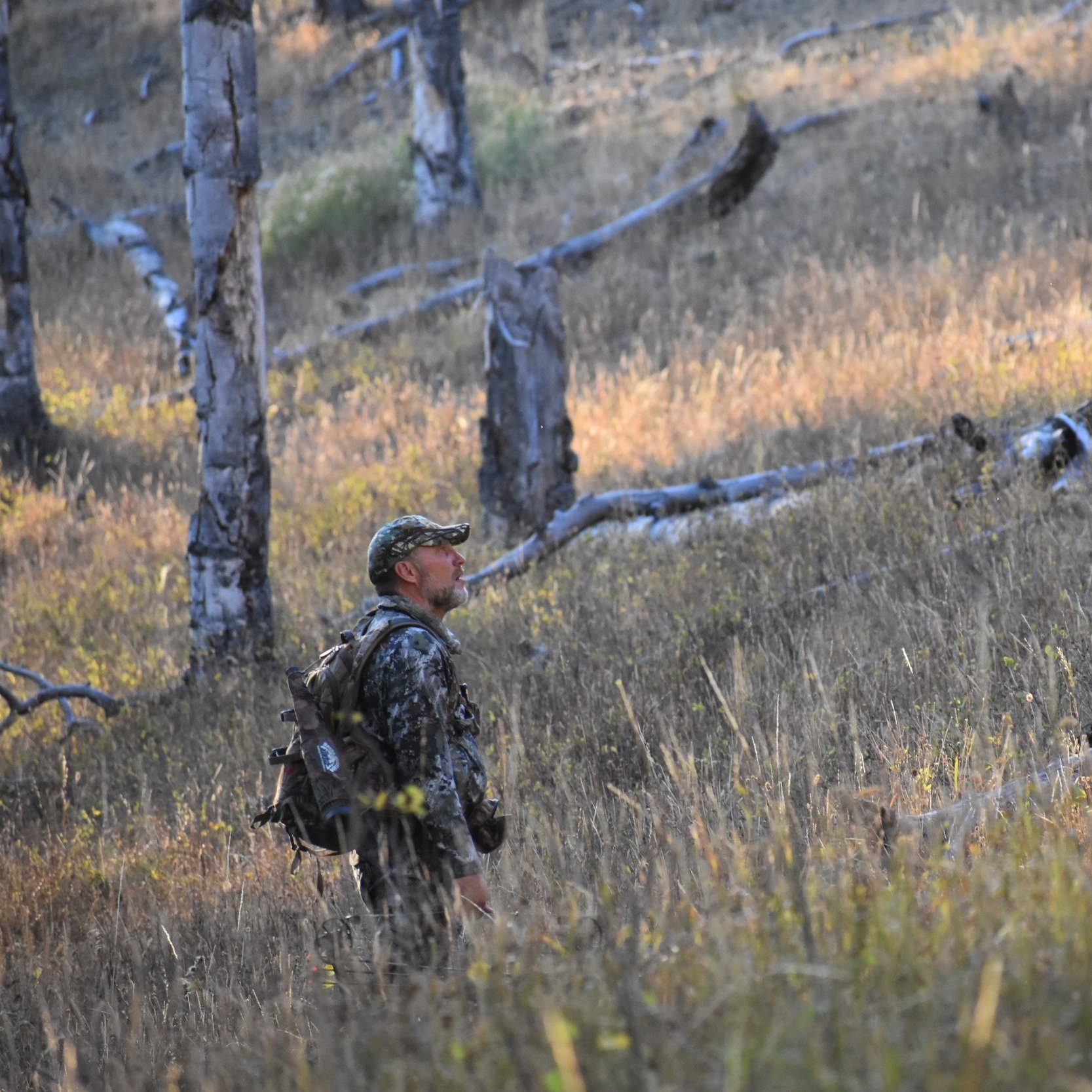
It’s hard to know what calls are worth putting in your pack, especially on your first hunt. Here's what's in my pack, why I run a diaphragm 3-pack as the foundation, and when to reach for backup options like the Hoochie Mama or EZ Estrus.