How Comedy Can Help Save Hunting
Most hunters drift one of two ways. We either obsess over inches, draw odds, and pressure—or we remember why we started and find ways to keep this thing fun and alive for the next generation.
This episode with comedian and Elk Don’t Exist host Dylan Deitz lives in that second camp. It’s shed‑hunting heartbreak, Rookie Season, and why bringing true rookies in might matter more than another inch of antler.
Rather listen than read? Watch the full conversation here:
Meet Dylan and the “Most Elk-Antler-Looking Stick of All Time”
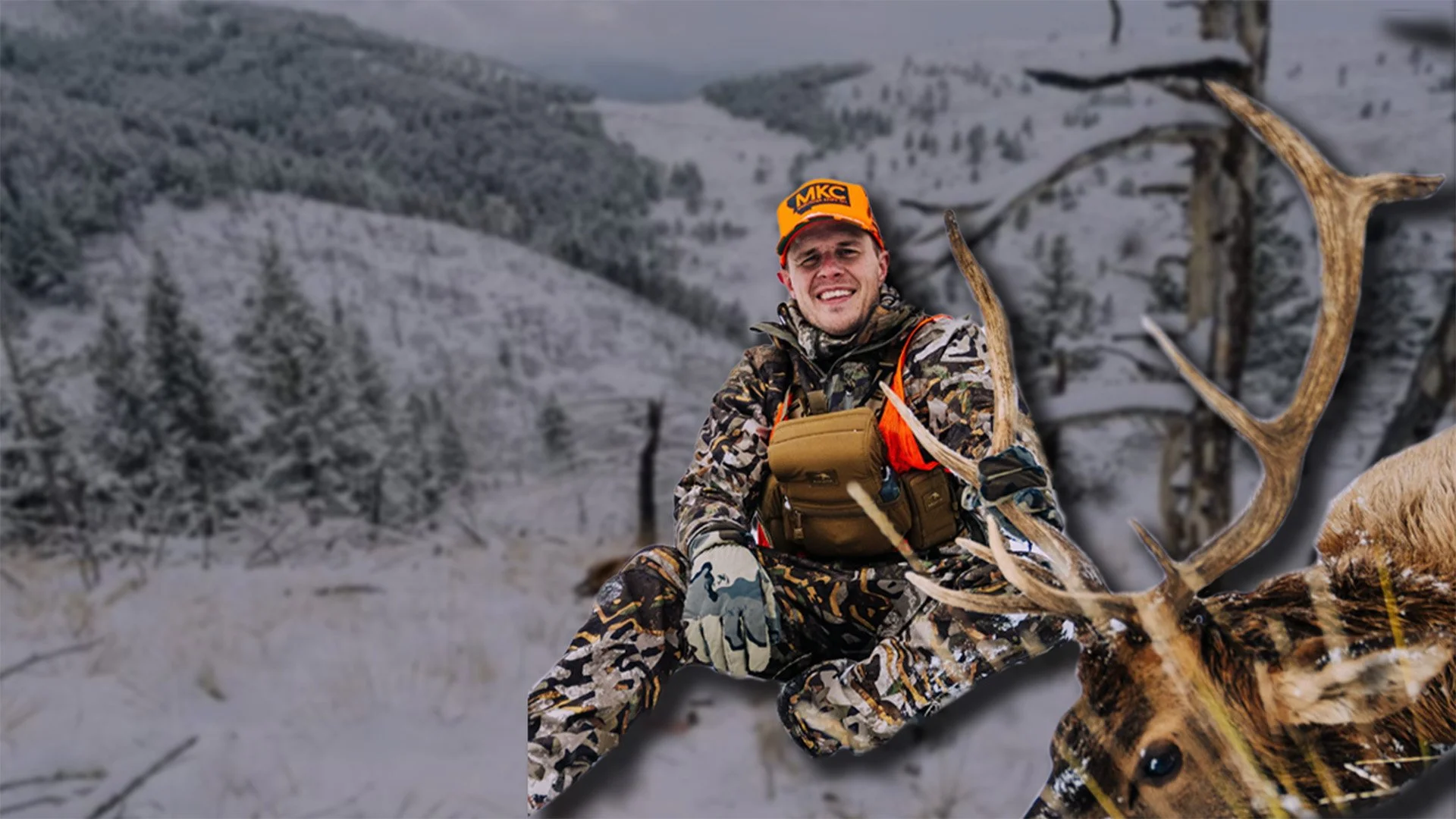
Dylan says he’s a “four out of ten funny” guy in real life and a seven out of ten in the hunting world, which is more than enough. He’s the brain behind Elk Don’t Exist and the shed‑hunting clips where every other stick is “the biggest elk antler I’ve ever found” until he walks all the way over there and, of course, it’s a stick.
Brian shares his own version from New Mexico—glassing a mesa, guiding a buddy down to a “100 percent” shed that turns out to be another perfectly antler‑shaped branch. Somewhere between those stories, Dylan decides elk probably evolved antlers that look exactly like junipers just to mess with us.
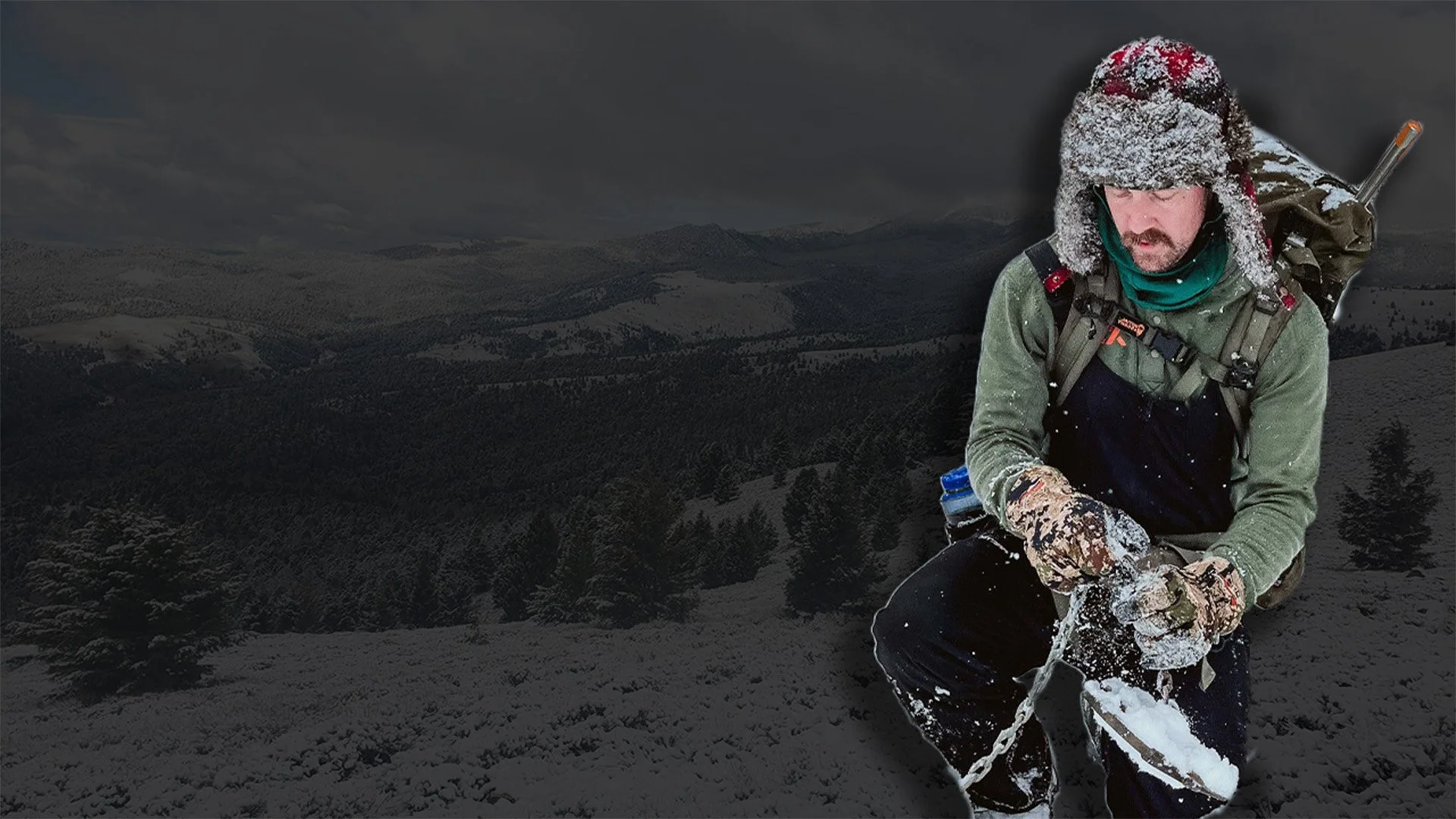
This year, Dylan’s over fifty sheds deep in Montana. A mild winter and bucks scattered from 2,900 to 5,200 feet, so instead of classic “one elevation band,” he’s watching deer go tree to tree and using glass to see what they’re actually eating.
Even the wins come with a twist. Brian’s best recent shed? His wife spotted it from a Minnesota gravel road, under a white pine, lit up like it was staged for a photo shoot, while he instinctively told her, “No way that’s a shed.”
Rookie Season: Hunting Is Not for Everyone—but It Could Be for You
Rookie Season is Dylan’s project for people who didn’t grow up hunting and aren’t sure where to start. Most of his participants have never shot a rifle, don’t have hunting families, and come from backgrounds like computer engineering, music, and the military.
The first episode follows Brandon, an Asian kid born with one hand who plays multiple instruments, golf, and all‑star Little League better than most people with two hands. He’s never hunted, never had a hunting dad or uncle, but he’s curious—and that’s enough.
Dylan teaches everything from how to close the truck door quietly to why the wind matters. One rookie kills his first deer at 600 yards—an eight‑and‑a‑half‑year‑old public‑land whitetail—on the last day of season, which even Dylan admits was stretching it for a brand‑new hunter but was their only window.
By the end, all three rookies go from “I don’t know if I can do this” to “I’m all in—what can we hunt next?” They’re asking about bear tags, budgets, and how to bring their own kids into it, and each leaves with a legit kit—over ten grand worth of rifles, optics, boots, knives, and ammo—so they can keep going on their own.
Food, Money, and Why We Need More Hunters
For all the jokes, Dylan and Brian keep landing on food. Brian recently butchered six deer in a weekend and realized he was looking at roughly a thousand dollars’ worth of ground‑beef replacement stacked in the freezer.
Dylan still buys whole beef rib loins from Costco, but he also has an elk and three deer in the freezer and admits the pride hits different when you carried it out yourself. He jokes about the ten years of struggling, gas, and gear it took to get there—but he’d do it again.
They’re blunt about what’s happening around hunting. Tag buyers are trending down in a lot of places, Oregon has real hunting‑ban initiatives moving, and public‑land sell‑offs aren’t a conspiracy theory anymore.
That’s why Rookie Season matters. Politicians follow money, and tag revenue plus non‑resident dollars keep agencies and access alive; if we gatekeep ourselves into a smaller and smaller group, we lose leverage when it counts. Dylan’s scoreboard isn’t views—it’s people who never thought they were “hunting people” taking hunter safety, buying a realistic rifle, and putting clean meat in the freezer.
Stay Ahead of Draw Deadlines and Rookie Season Updates
If you’re trying to balance real life with real hunts, the easiest way to keep moving is to let the planning come to you. The Drawn West newsletter breaks down application windows, new episodes like Rookie Season, and practical hunt‑planning tips in one place—no fluff, no sales pitch.
Most readers use it as a once‑a‑month gut check that they’re not missing easy opportunities or key deadlines.
Influencers, Non-Residents, and Just Having Fun
Dylan’s honest about the influencer conversation. Some guys probably do feel pressure to fill tags for the camera, but he also points out that most of the folks getting dragged online are the same ones yelling when public land or predator management is under attack.
He’s especially tired of the “we need fewer hunters” and “hunt your own state” takes. In Montana, non‑residents pay several times more per tag and make up a huge chunk of FWP’s budget, and Dylan genuinely likes seeing out‑of‑staters in his spots. He’ll point them to better areas, share what he knows, and hopes they go home with meat and a reason to come back.
Underneath that is a simple rule: if hunting turns you into a miserable person when you don’t fill a tag, something’s off. Dylan wants people shooting what excites them, dragging kids through the snow on doe hunts, and coming home better than they left—even if the freezer didn’t get topped off this time.
Gear That Actually Helps Rookies Succeed
When it came time to gear up Rookie Season, Dylan didn’t build a fantasy kit. He focused on the things that truly change how a hunt feels: glass, tripods, packs, boots, and a rifle you actually shoot well.
He admits he wasted money early on expensive camo instead of better optics. Now he tells anyone who will listen to buy the best binoculars they can realistically afford and pair them with a tripod so glassing becomes something you look forward to, not a neck workout.
For Rookie Season, Maven supplied S‑series rifle scopes and C‑series 10x binos—Japanese and mid‑tier glass that hits a sweet spot between performance and price for regular people. Tripods from companies like Tricer help rookies sit down, lock in, and actually pick apart hillsides instead of wobbling through hand‑held glass.
Both Dylan and Brian are loud about shot distance. For most hunters, 300 yards is still a long poke on deer or antelope, and 500 on elk is a hard ceiling even if you’ve practiced in the wind. Hitting rocks at 500 and making a clean killing shot at 500 are not the same skill.
How to Watch Rookie Season—and Where to Go Next
Rookie Season drops on Dylan’s YouTube channel, with the first episode going live April 10 and new episodes rolling out on Fridays. Each one is about fifteen minutes long, more vlog than TV show, with companion Elk Don’t Exist podcast episodes that go deeper with each rookie.
If you’re brand new, the path is simple: hunter safety in your state, a basic 500‑ish rifle and scope you can shoot well, one piece of public land, and a mindset of “I’m here to scout and maybe get lucky,” not “I have to kill today.” If you’re already experienced, Dylan’s challenge is to burn one tag a year mentoring someone who never saw themselves as a hunter.
Want the full, uncut version of this conversation? Watch the Drawn West x Dylan Deitz episode on YouTube, then hop back into this article when you’re ready to keep going.
Keep Going
If this episode hits, here are three solid next steps on the site.
Start Here: How To Plan an Elk Hunt for $1500
How to Build a Western Application Strategy That Actually Fits Your Life
A realistic approach to stacking applications, using backup plans, and avoiding seasons that disappear because you missed a deadline.Join the Drawn West Newsletter to stay up-to-date on application deadlines, giveaways, and new episodes!
It’s hard to know what calls are worth putting in your pack, especially on your first hunt. Here's what's in my pack, why I run a diaphragm 3-pack as the foundation, and when to reach for backup options like the Hoochie Mama or EZ Estrus.